July 23, 2026
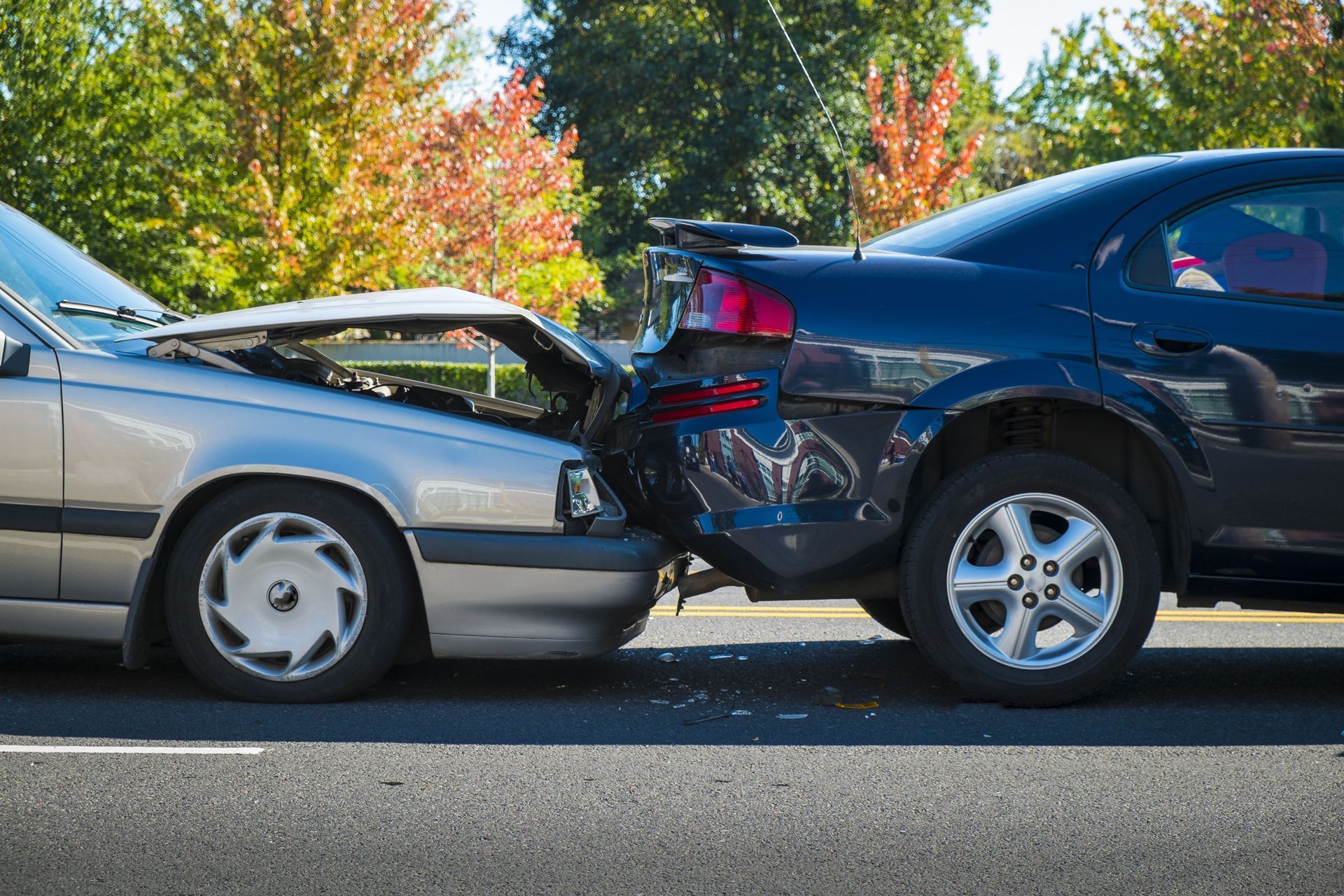
Experiencing an unexpected automotive accident on busy roads inevitably introduces a significant amount of stress and uncertainty regarding how to successfully restore your damaged vehicle to its original condition. Navigating the aftermath of a roadway mishap requires vehicle owners to seek out highly specialized technical assistance that understands modern automotive engineering and structural safety requirements. Fortunately, a professional local collision repair shop possesses the precise tools, skilled technicians, and advanced facilities necessary to transform a badly crumpled passenger car back into a perfectly safe, drivable machine. Understanding what occurs behind the garage doors helps drivers feel comfortable during the restoration.
Assessing the Physical Damage Meticulously
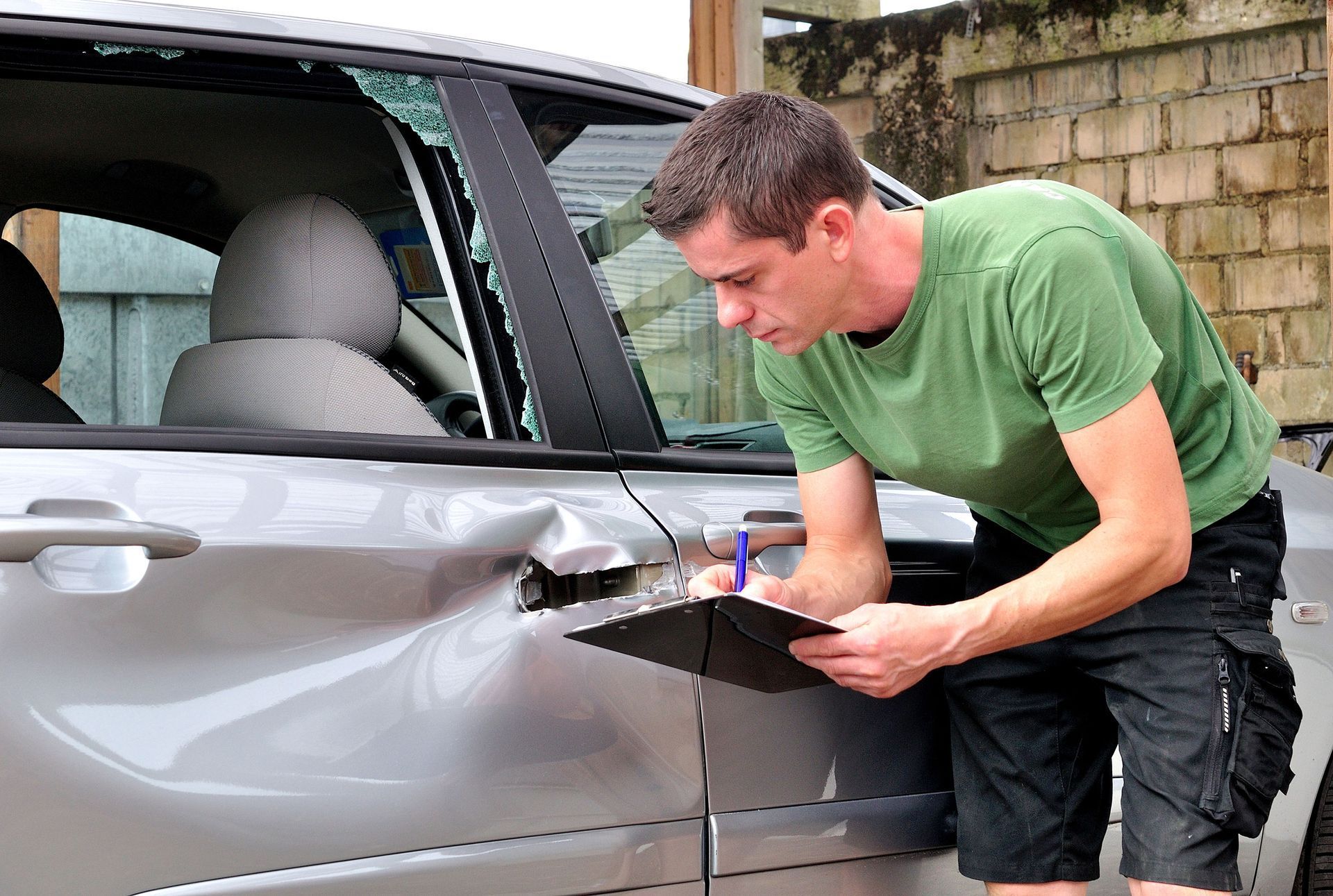
Beginning the physical restoration journey always requires a comprehensive inspection of the vehicle to document both obvious exterior blemishes and hidden structural issues under the crushed body panels. When a vehicle first arrives at the specialized facility, certified estimators utilize computerized systems to record every scratch, broken plastic clip, and bent frame rail. This initial stage requires careful measuring using electronic diagnostic tools to check alignment against factory specifications down to the exact millimeter. Estimators compile these findings into a detailed, itemized estimate that clearly lists the necessary replacement parts, raw materials, and labor hours required to complete the project.
Initiating the Comprehensive Insurance Claims Process
Coordinating with major insurance providers represents a critical administrative phase that occurs immediately after the physical damage assessment is fully finalized by the estimation team. Experienced managers at a local collision repair shop interact directly with insurance adjusters, submitting digital photographs, structural measurements, and detailed parts lists to secure immediate approval for the work. According to Global Growth Insights, collision repair services contribute 39% of the global car body repair market. This professional collaboration eliminates major delays, keeping the vehicle owner fully informed regarding deductible responsibilities, coverage limits, and rental car arrangements while paperwork is processed by the insurance desk.
Straightening Out Damaged Structural Frameworks
Restoring the underlying structural integrity of a crashed vehicle requires heavy machinery and highly specialized training because modern automobiles utilize incredibly complex metal crumple zones. Technicians employ massive hydraulic frame straightening machines that apply precise, controlled tension to pull bent high-strength steel components back into their original factory positions. A skilled technician constantly monitors electronic measuring systems during this pulling process to verify that critical structural elements are aligned perfectly. Correcting these structural misalignments is absolutely vital because even a tiny fraction of an inch of lingering frame deviation can negatively impact wheel alignment, tire wear, and vehicle handling.
Replacing Severely Broken Body Panels
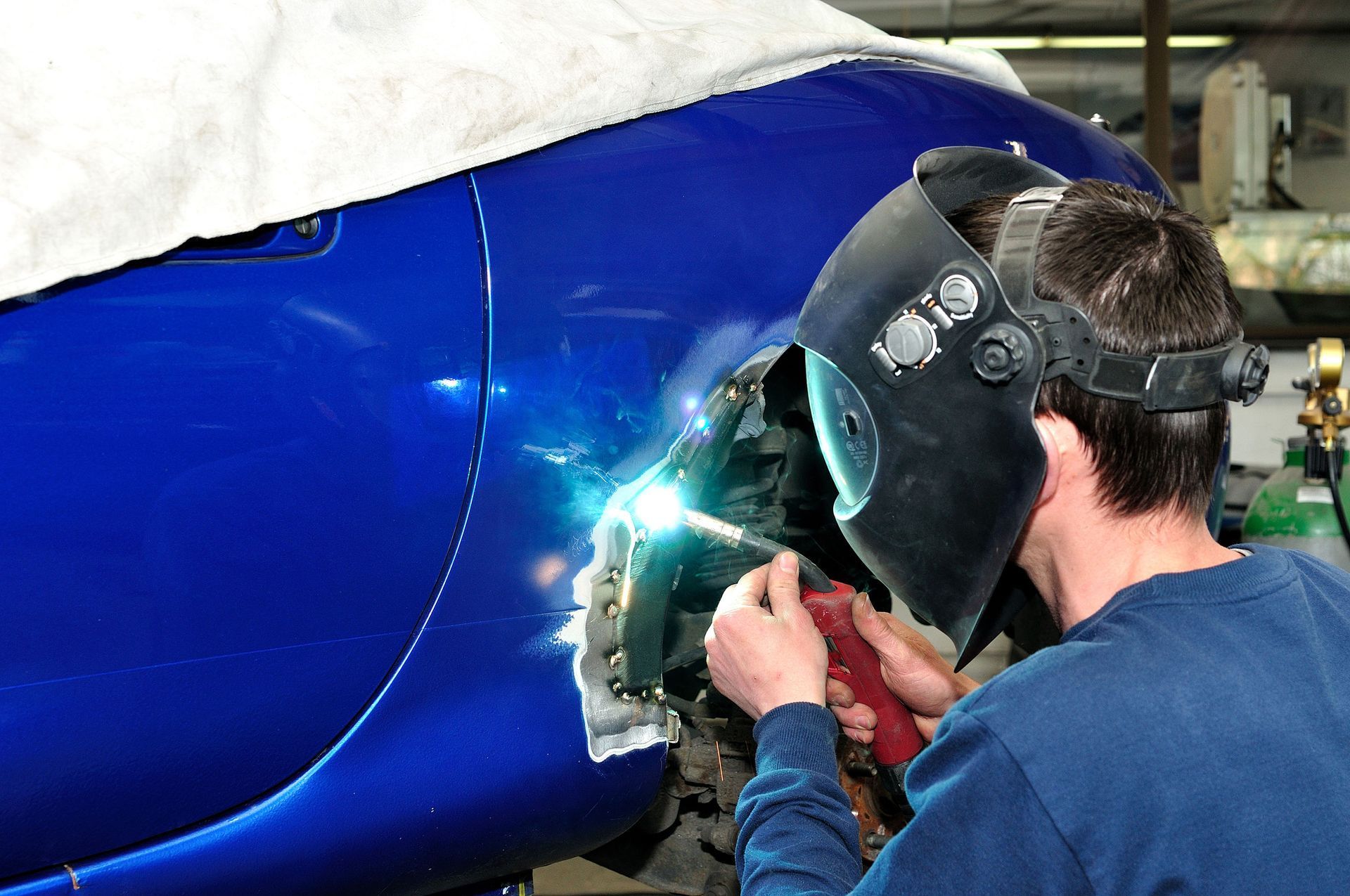
Dismantling crushed components and replacing them with factory original body parts represents the next logical phase in the physical reconstruction of the damaged vehicle. Technicians carefully remove ruined steel fenders, cracked plastic bumper covers, crumpled aluminum hoods, and shattered glass assemblies to make room for fresh structural panels. The assembly team at your chosen local collision repair shop utilizes top-grade welding equipment and specialized structural adhesives to bond the new exterior skin to the underlying frame. This painstaking assembly work ensures that the gaps between various body panels remain tight and completely uniform, mirroring the precise standards originally established.
Applying Fresh Paint and Color Matching
Achieving a flawless, factory-quality finish on newly installed exterior panels requires a sterile environment and highly advanced color-matching computerized technology. Painting professionals begin by meticulously sanding down the repaired surfaces, applying protective primer coats, and utilizing a specialized spectrophotometer to scan the surrounding paint. This scanning technology allows the mixing system to formulate a custom paint blend that matches the slightly weathered color of the rest of the car. The technicians then apply multiple thin layers of basecoat paint and durable clearcoat protection inside a pressurized, heated downdraft spray booth to cure the fresh, clean exterior paint surface.
Calibrating Advanced Driver Assistance Systems
Modern vehicles are packed with sensitive safety technology like radar sensors, ultrasonic cameras, and lane departure systems that sit directly behind exterior bumper panels. Reassembling a modern vehicle after an impact requires electronic calibration of these safety systems to ensure they continue to calculate distances accurately. Technical specialists at the local collision repair shop connect specialized diagnostic computers to the vehicle's onboard diagnostic port, performing dynamic alignments of forward-facing cameras and blind spot sensors. This meticulous electronic calibration process ensures that safety features like automatic emergency braking perform exactly as intended when the driver returns to local highway traffic.
Sourcing High-Quality Replacement Components
Procuring the correct replacement parts is essential for returning the vehicle to its pre-accident standard of safety and structural performance. Technicians search for optimal components, checking both original equipment manufacturer parts and high-quality aftermarket alternatives to find the best fit. A dedicated parts specialist at the local collision repair shop manages this complex inventory, ordering necessary items quickly to prevent delays in the overall rebuild schedule. Utilizing correct parts is vital for ensuring that body lines match up perfectly and crash safety ratings remain completely intact during future operations on local highways with zero other lingering issues.
Detailing the Refurbished Interior and Exterior
Polishing the physical surfaces of the newly repaired vehicle represents a major aesthetic phase that dramatically enhances the final presentation. Detailing teams spend hours washing away shop dust, buffing fresh clearcoat surfaces, and polishing headlights to ensure a uniform appearance. Inside the cabin, they vacuum up any lingering glass shards or debris caused by the impact, wiping down dashboards and treating upholstery carefully. This extensive cleaning is standard practice because the presentation of a completed job reflects the standards of workmanship maintained by the crew. Delivering a clean vehicle is just as important as fixing the mechanical components of the car.
Aligning Wheels for Optimal Driving Performance
Adjusting suspension geometry and aligning wheels represent another essential task that occurs after any major side or front collision. Impact forces easily bend tie rods, control arms, and steering knuckles, throwing off critical driving angles like caster and toe. Technicians place the vehicle on an electronic alignment rack, using lasers to measure wheel angles relative to the chassis. Correcting these settings prevents uneven tire wear and keeps the vehicle tracking perfectly straight. This alignment service restores original ride comfort and prevents suspension failures when navigating highway traffic. It is a critical step in the overall dynamic vehicle repair process today.
Conducting Thorough Final Safety Inspections
Performing a multi-point safety check and a rigorous road test represents the final, critical step before handing the vehicle keys back to the customer. Quality control inspectors double-check headlight alignment, verify tire pressures, test all exterior turn signals, and check that all structural fasteners are torqued to factory specifications. A technician at your chosen local collision repair shop then takes the automobile on a brief road test to verify that the suspension behaves normally and no unusual vibrations persist. Once the mechanical testing concludes, a detailing team washes the exterior, vacuums the passenger cabin, and polishes the paint.
Securing professional restoration services after an automotive accident ultimately preserves both the financial resale value of your vehicle and the physical safety of your family. Professional restoration keeps your vehicle running reliably, protects your passenger cabin, and maintains your automobile's value for many years to come. While the visual transformation of a newly painted vehicle is satisfying, the true value lies in the structural integrity underneath. Working with certified experts who use factory-approved methods ensures your car operates safely on highways, avoiding cheap, cosmetic patches that could easily fail during a severe, unexpected future roadway crash or simple collision. Are you seeking a professional
local collision repair shop
in the Mattoon, IL area? The experts at Waters Body Shop have you covered! Call today to request a service estimate.