July 20, 2026
Navigating the aftermath of a vehicular crash requires patience and knowledge. When vehicles suffer damage, individuals face an array of necessary fixes to restore roadworthiness. Among these fixes, collision repairs take precedence. These procedures range from minor cosmetic touch-ups to extensive structural overhauls. People tend to feel overwhelmed by the terminology and scope of work required to make a car safe again. Understanding common damage types helps ease anxiety during the restoration phase.
The path to recovery begins at a qualified auto body shop. Here, skilled technicians assess the compromised exterior and underlying mechanics. They chart a clear path for necessary collision repairs, ensuring every vehicle meets original factory specifications. Vehicle owners benefit from knowing the specific steps mechanics take to mend bent metal and broken plastics. Such awareness transforms a confusing ordeal into a transparent progression of mechanical and cosmetic improvements.
1. Bumper Replacements: What Vehicle Owners Encounter
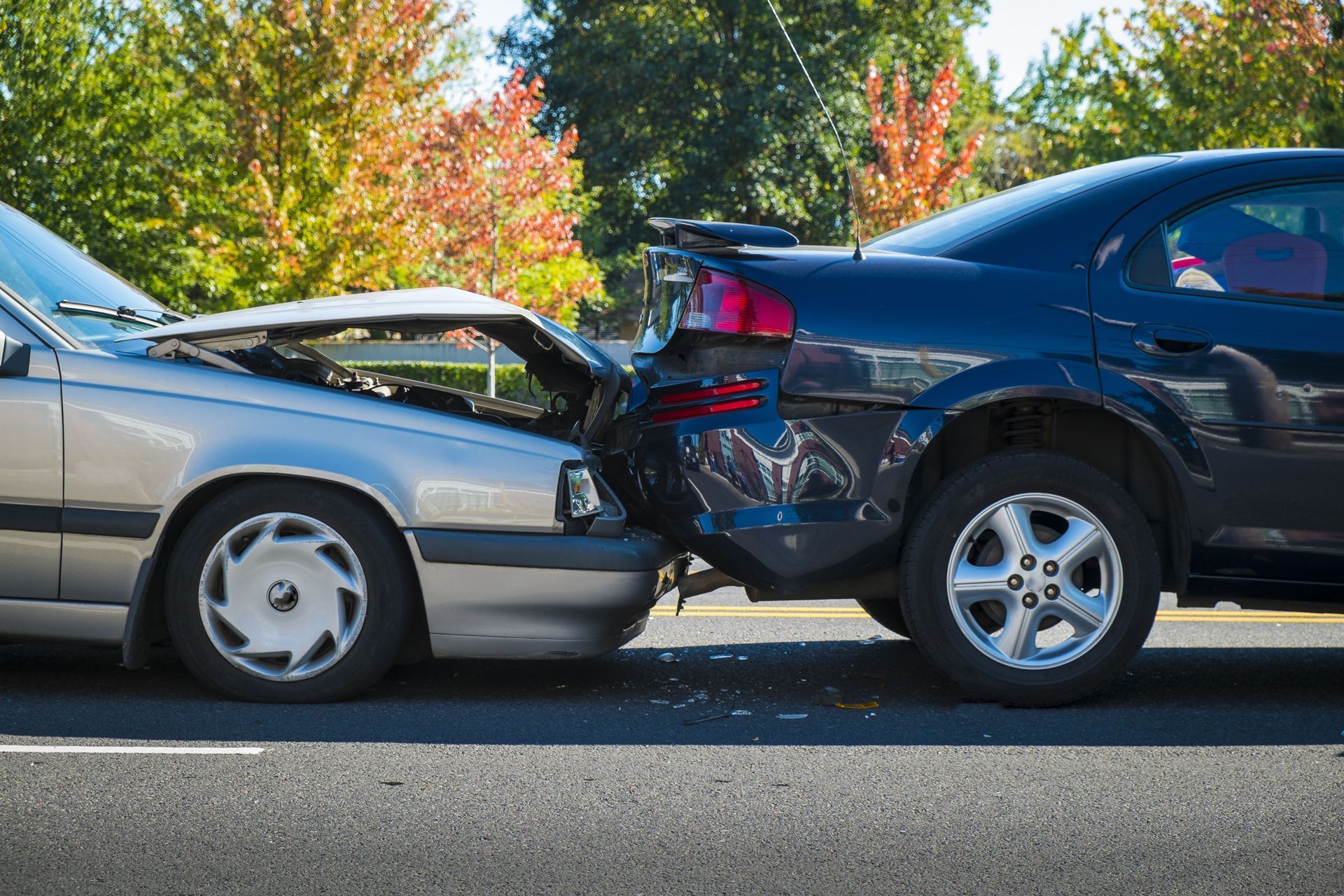
Front and rear bumpers take the brunt of impact during minor and major collisions. According to Consumer Shield, there are between five and six million car accidents annually in the United States. Because of this high volume of traffic incidents, bumper damage ranks among the most frequent issues body shops see. Technicians prioritize collision repairs on these crucial components because bumpers absorb shock and protect the engine block from catastrophic trauma.
The procedure begins with a thorough dismantling of the affected area. Mechanics detach the broken plastic cover, foam absorbers, and underlying metal reinforcement bars. They inspect the exposed chassis frame for hidden bends or stress fractures. Catching structural compromise at this stage prevents safety hazards in the future. Replacing broken mounting brackets guarantees a stable foundation for the new bumper cover.
Modern vehicles rely on complex electronics housed within the bumper assembly. Technicians must navigate wiring harnesses attached to backup cameras, lane departure sensors, and airbag triggers. They remove intact devices and order exact replacements for shattered components. Recalibrating these electronic systems ensures the vehicle retains vital safety features required for modern highway travel. Failing to adjust these sensors compromises driver safety.
Before final installation, painters match the new bumper cover to the existing vehicle exterior. They blend the base coat and clear coat to achieve a seamless finish. After the paint cures, workers reassemble the entire structure. They attach the grilles, emblems, and trim pieces to the painted plastic cover. The vehicle emerges with a pristine front or rear end, ready for highway travel.
2. Fender Restorations: How Technicians Address Damage
Side-swipe impacts and parking lot scrapes tend to compromise rear panels and front fenders. Fenders house the wheel wells and blend into the front doors, making them vulnerable to side impacts. When metal bends, the tire might rub against the inner lining, creating an immediate driving hazard. Technicians assess the crease depth to determine if the metal requires reshaping or complete replacement.
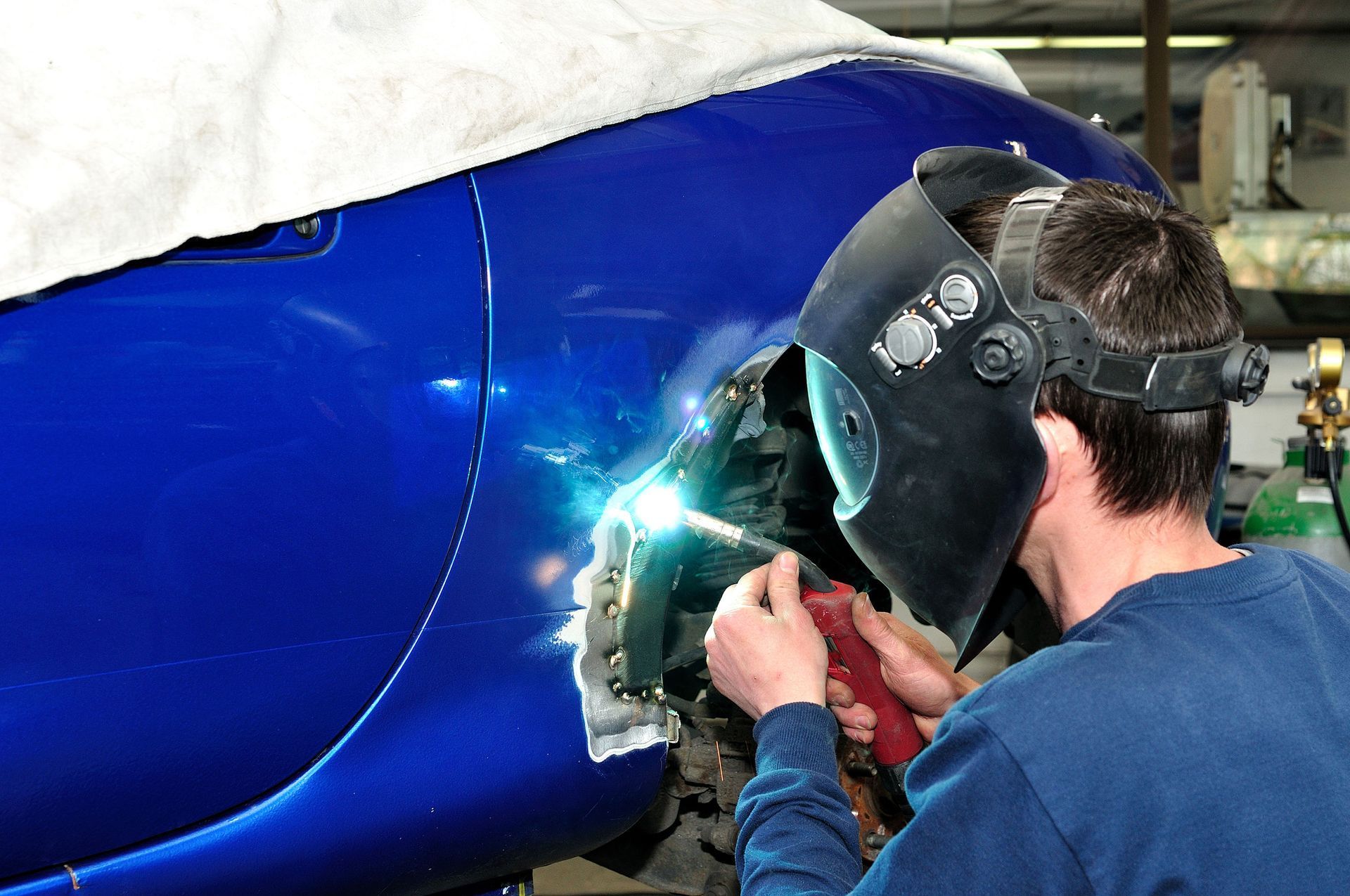
If the part remains salvageable, workers utilize specialized pulling tools and body hammers. They massage the dented sheet metal back to its original contours. This technique demands precision to avoid stretching the material beyond its limits. Perfecting the shape requires a keen eye and steady hands to recreate the factory curve. Restoring the metal integrity prevents rust formation and structural weakness.
After shaping the metal, auto body experts apply a thin layer of body filler to smooth the microscopic imperfections. They sand the surface to create a flush, even plane. Proper preparation remains critical for successful collision repairs because paint amplifies surface flaws. A flawless base guarantees a mirror-like finish free of ripples or waves. Technicians wipe the entire area with specialized solvents to remove dust.
The painting phase mirrors the bumper process but requires extensive blending into adjacent doors and the hood. Painters mist color over a broad area so the human eye cannot detect a transition line. Following the clear coat application, technicians buff and polish the fender. The car regains a unified, gleaming appearance without signs of previous trauma. The glossy finish repels water and prevents environmental decay.
3. Door Replacements: What the Procedure Involves
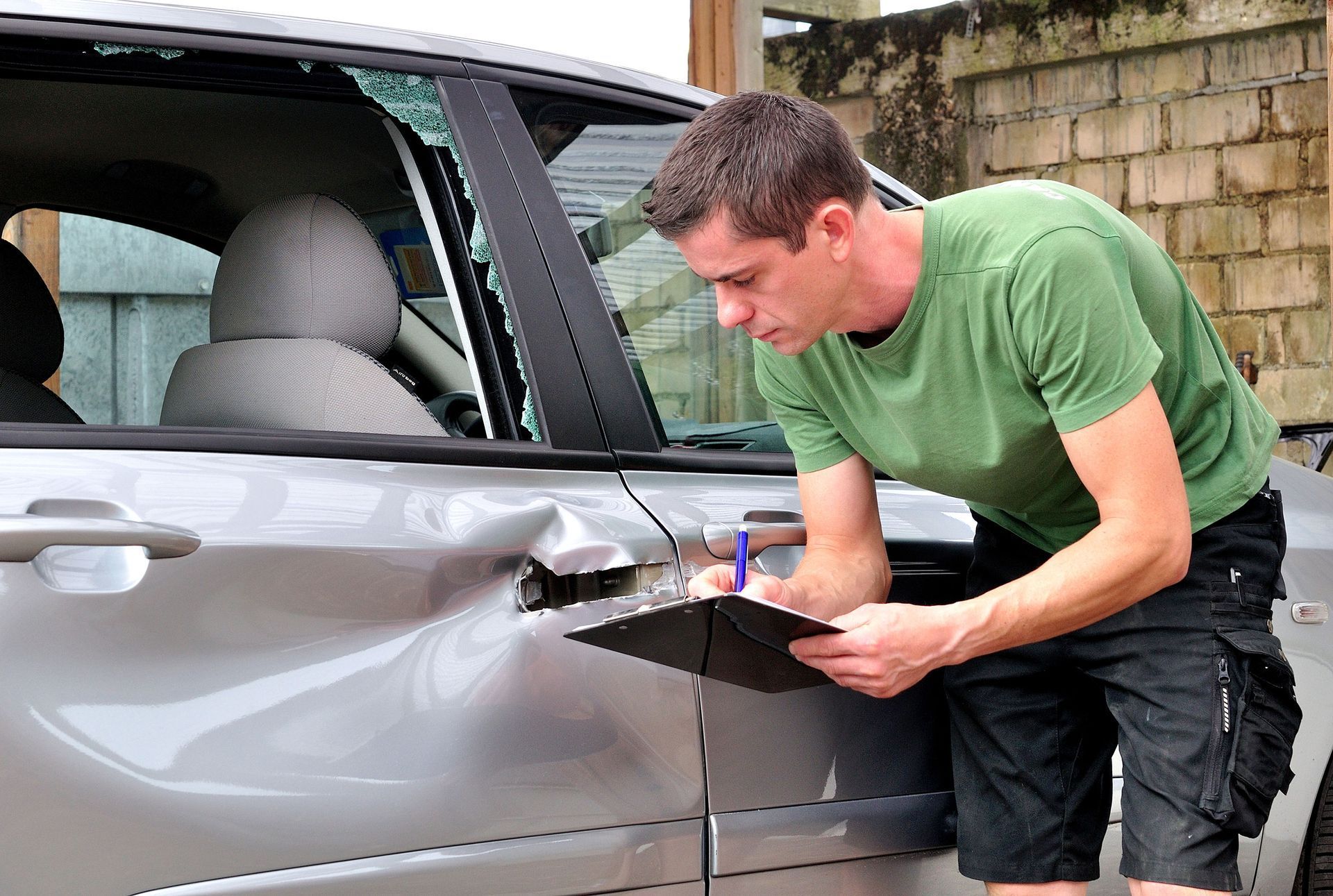
Impact on the side of a vehicle compromises the structural integrity of the passenger doors. Doors contain intricate safety bars designed to protect occupants from intrusion. When an impact bends these internal intrusion beams, safety standards mandate a complete door replacement rather than patching. New doors provide maximum occupant protection in future incidents. Scrimping on door replacement puts passengers at risk.
Mechanics start by disconnecting the battery to prevent electrical shorts during disassembly. They strip the damaged door of interior panels, window glass, and mechanical window regulators. Workers must detach the wiring looms connecting the door controls to the main computer. Retaining usable interior parts keeps material costs lower for the vehicle owner. Technicians inventory salvaged components to ensure nothing gets lost during the project.
Aligning a replacement door demands immense precision from the mechanical team. They hang the raw metal shell on the hinges and adjust the strikes and latches. The gaps between the new door and the surrounding frame must measure identical distances from top to bottom. Proper alignment prevents wind noise and water leaks from plaguing the cabin. Careful adjustments guarantee smooth opening and closing actions.
With the shell aligned, the focus shifts to internal components. Technicians reinstall the glass track, motor, audio speakers, and locking mechanisms. Following the final interior assembly, the vehicle moves to the paint booth. These specific collision repairs conclude with rigorous testing of the window seals and electronic switches. Confirming optimal functionality guarantees the owner experiences no frustrating glitches upon pickup.
4. Suspension Realignments: How Mechanics Restore Balance
Heavy impacts force vehicles over curbs or into ditches, wrecking undercarriage components. The suspension system bears the stress of such events, leading to bent control arms, snapped tie rods, and blown struts. These mechanical failures make steering erratic and compromise tire grip. Addressing undercarriage trauma requires specialized diagnostic equipment. Technicians must elevate the car on heavy racks to visualize the twisted metal beneath the chassis.
Vehicles undergo detailed computerized measurements to identify deviations from factory alignment parameters. Laser sensors read the exact position of each wheel hub relative to the chassis centerline. Technicians interpret the data to pinpoint bent components invisible to a visual inspection. Replacing these compromised metal arms ensures stable handling. Accurate diagnostics eliminate guesswork and prevent premature tire wear.
Mechanics raise the vehicle on heavy-duty hoists to extract the damaged suspension parts. They unbolt the broken struts and press and remove damaged bushings using hydraulic tools. Installing new suspension parts requires applying precise torque to every bolt. Tightening components to exact factory specifications prevents future mechanical failures on the highway. Technicians lubricate moving joints to guarantee a quiet ride over rough pavement.
Following parts installation, the vehicle returns to the alignment rack for final adjustments. Technicians dial in the camber, caster, and toe angles to ensure the tires track straight. The final phase involves a mandatory test drive over varied terrain. Mechanics listen for abnormal noises and verify that the steering wheel remains centered. Achieving mechanical balance restores the smooth ride occupants expect from modern automobiles.
Recovering from an accident entails multiple stages of dismantling, ordering, shaping, and painting. Each vehicle dictates a unique restoration path based on the angle and severity of the impact. Addressing these mechanical and cosmetic issues demands vast expertise and specialized equipment. Quality collision repairs return compromised cars to optimal condition. By relying on certified specialists, vehicle owners ensure every broken part receives adequate attention. Proper restorations preserve the resale value of the automobile while maintaining strict safety standards.
Vehicle owners benefit from understanding the intense labor involved in this industry. Recognizing the steps required to mend broken bumpers, dented fenders, crushed doors, and misaligned suspensions removes mystery from the equation. A repaired car provides peace of mind on the open road. Drivers can feel confident knowing skilled professionals restored the structural and aesthetic integrity of the vehicle. Knowledge empowers individuals to ask relevant questions during the estimation phase. Informed conversations lead to better outcomes and a smoother journey back to the driver's seat. If you require collision repairs , bring your vehicle to us at Waters Body Shop. We have the expertise and equipment to restore your car to pristine condition.