May 19, 2026
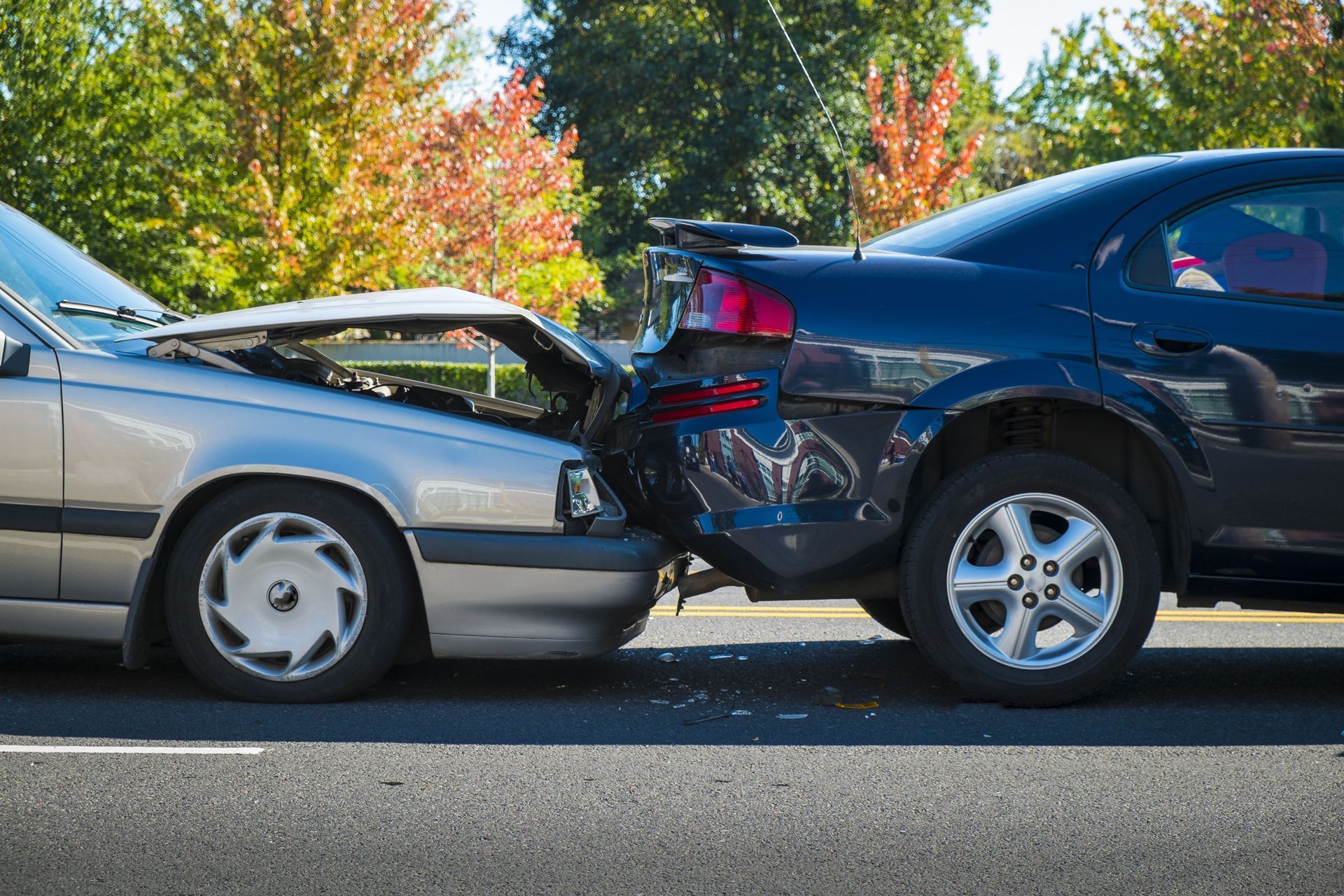
Modern vehicles are built with a combination of materials and complex structural designs, which means damage assessment requires a trained eye and a disciplined workflow. Technicians rely on experience, manufacturer specifications, and systematic inspection procedures to guide their evaluation. Each vehicle is approached individually, since no two collisions produce identical results.
Across the United States, the collision repair industry is supported by a large workforce. According to Zippia, there are more than 69,121 collision repair technicians employed nationwide, reflecting the scale and specialization required in this field. These professionals collectively contribute to maintaining road safety and restoring vehicles to their prior conditions. Understanding how a local collision repair shop evaluates damage can help vehicle owners make informed decisions after an accident and set realistic expectations for the repair process.
Initial Inspection and Damage Identification
Visual Inspection and Customer Walkthrough
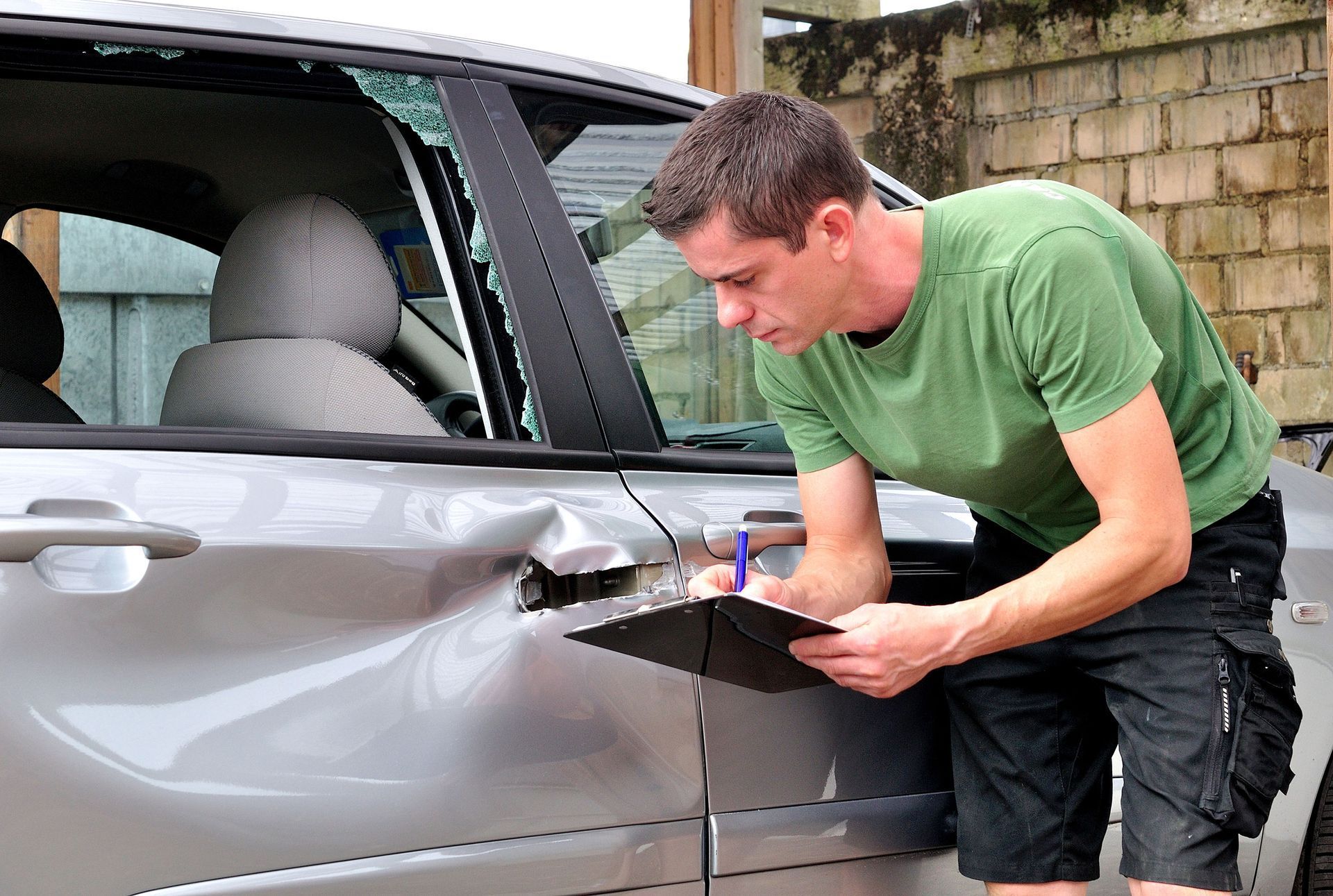
The assessment process typically begins the moment a vehicle arrives at a collision repair shop. Technicians conduct a detailed visual inspection to identify obvious signs of damage such as dents, broken components, paint scratches, and misaligned panels. This step is often paired with a customer walkthrough, where the vehicle owner may point out areas of concern or describe how the collision occurred.
During this stage, technicians carefully examine the exterior from multiple angles under proper lighting conditions. Subtle inconsistencies in panel gaps or paint texture can signal deeper structural issues. Even minor irregularities are documented because they may influence later stages of repair planning.
The goal of this initial inspection is not to finalize conclusions but to establish a baseline understanding of the vehicle's condition. A local collision repair shop uses this step to ensure that all visible damage is recorded before more detailed diagnostic work begins.
Identifying Structural and Cosmetic Damage
Once the initial walkthrough is complete, technicians begin separating cosmetic damage from potential structural concerns. Cosmetic damage includes surface-level issues such as scratches, scuffs, or minor dents that do not affect vehicle integrity. Structural damage, however, involves components that contribute to safety and alignment, such as the frame, suspension mounting points, or reinforced body sections.
Distinguishing between these categories is critical because they require different repair approaches. A bumper scuff may require refinishing or replacement, while structural misalignment may require more extensive correction. Technicians at a collision repair shop rely on both visual cues and physical inspection to determine the extent of each type of damage.
This phase also helps prioritize repairs. Safety-related issues are addressed first, followed by cosmetic restoration. The separation of damage types ensures that the repair process is both efficient and comprehensive.
Documentation and Preliminary Assessment
After identifying visible and suspected damage, technicians create detailed documentation. This includes written notes, photographs, and initial repair estimates. Documentation serves as a reference point for both the repair team and insurance providers, ensuring clarity throughout the process.
A local collision repair shop uses this documentation to build an initial repair roadmap. While adjustments may be made later if inspections reveal additional issues, this early stage provides structure for the overall repair plan.
The preliminary assessment also helps determine whether specialized services will be required. For example, vehicles with suspected frame damage or aluminum components may need additional diagnostic steps before repairs can proceed. This structured approach ensures that no aspect of the damage is overlooked.
Detailed Diagnostic Evaluation and Structural Analysis
Frame and Alignment Evaluation
Once the initial inspection is complete, the vehicle undergoes a more detailed diagnostic evaluation. One of the most critical aspects of this stage is checking the frame and overall alignment. Even minor collisions can shift structural components, affecting how the vehicle handles and performs on the road.
Technicians at a collision repair shop carefully measure key points of the vehicle's structure to identify deviations from manufacturer specifications. Misalignment may not always be visible to the untrained eye, but it can lead to uneven tire wear, steering issues, or reduced crash protection if left unaddressed.
This stage ensures that the foundation of the vehicle is properly evaluated before any exterior repairs begin. Correcting structural issues first is essential to restoring both safety and functionality.
Panel and Component Assessment
Beyond structural evaluation, technicians also perform a detailed assessment of exterior panels and attached components. Doors, fenders, bumpers, and hoods are examined for alignment, integrity, and functionality. Even if a panel appears intact, internal damage to mounting points or fasteners may still exist.
A local collision repair shop checks each component for proper fit and movement. Doors must open and close smoothly, bumpers must maintain proper positioning, and panels must align evenly with surrounding surfaces. Any deviation can indicate underlying damage that requires correction.
This phase also includes the evaluation of secondary components such as headlights, mirrors, and trim pieces. These parts are often affected during collisions and may require repair or replacement to restore full functionality and appearance.
Insurance and Estimate Coordination
Once a comprehensive understanding of the vehicle's condition is established, the shop typically works with insurance providers to coordinate repair estimates. This step ensures that all documented damage is accounted for and that the proposed repair plan aligns with coverage guidelines.
A local collision repair shop prepares detailed estimates that reflect labor, parts, and repair complexity. Communication with insurers helps streamline approval processes and reduce delays in beginning repairs. Transparency during this stage is essential for maintaining accuracy and avoiding unexpected costs later in the process.
The coordination between technicians and insurance representatives helps bridge the gap between technical assessment and administrative approval, ensuring that the repair process moves forward efficiently.
Comprehensive Repair Planning and Execution
Repair Strategy Development
After diagnostics and approvals are complete, technicians develop a structured repair strategy. This plan outlines the sequence of repairs, required parts, and methods for restoring both structural integrity and appearance.
A collision repair shop prioritizes safety-related repairs first, followed by structural alignment and cosmetic restoration. This ensures that the vehicle is not only visually restored but also safe to operate. Repair strategies are tailored to each vehicle based on the severity and type of damage identified during assessment.
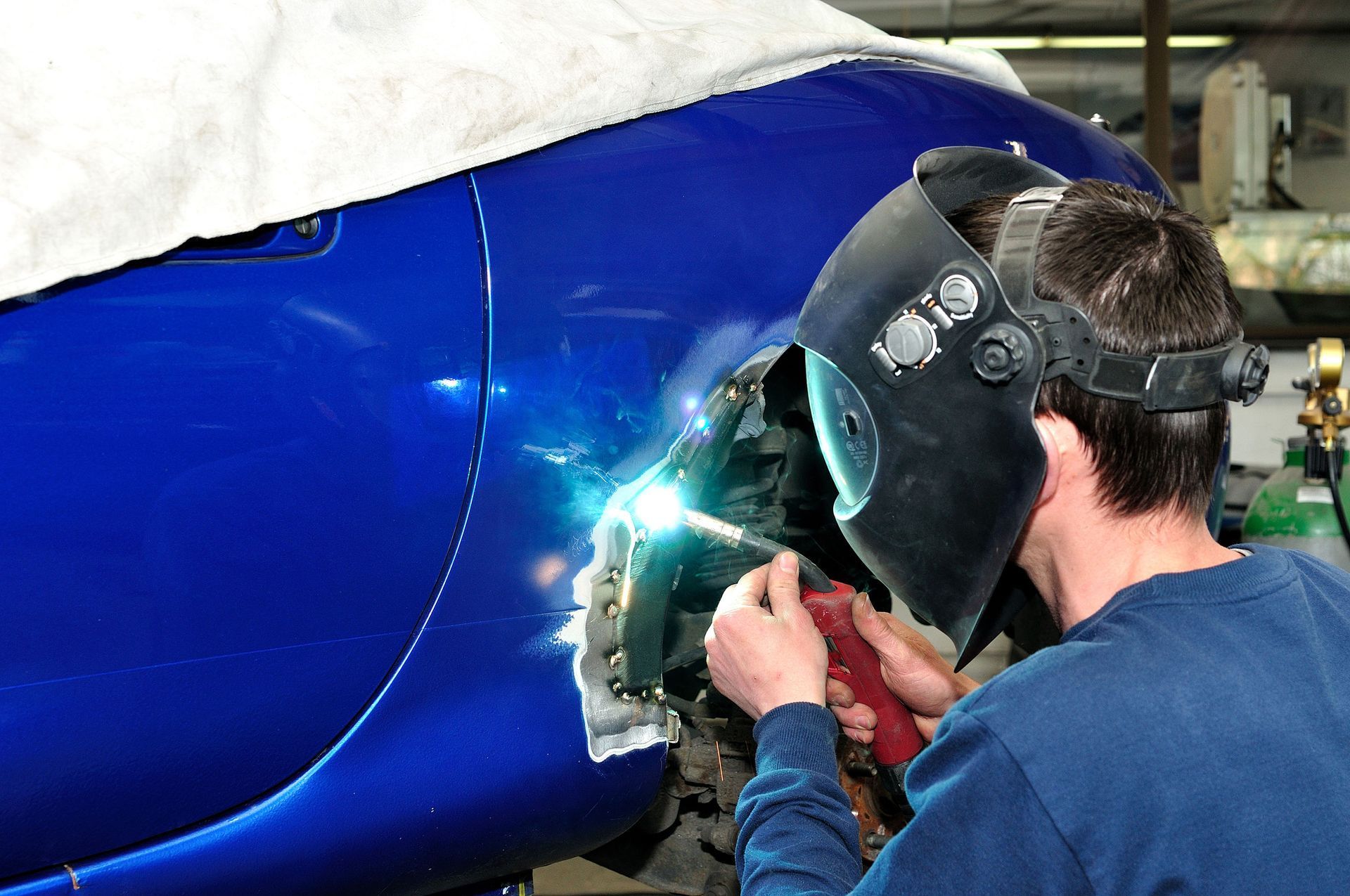
In some cases, repairs may involve multiple techniques, including panel replacement, dent removal, refinishing, or structural correction. The strategy ensures that each step builds toward complete restoration.
Quality Standards and Repair Verification
Quality assurance is a critical part of the repair process. Each stage of repair is reviewed to ensure it meets established standards and aligns with the original assessment. Technicians verify that structural repairs restore proper alignment and that cosmetic work achieves a consistent finish.
A local collision repair shop performs ongoing checks throughout the repair process to ensure accuracy. This includes verifying the fitment of replaced parts, confirming alignment measurements, and inspecting paint consistency. These checks reduce the likelihood of overlooked issues and ensure a high standard of workmanship.
In many cases, repairs are reviewed multiple times before the vehicle is considered complete. This layered verification process helps maintain consistency and reliability in outcomes.
Customer Updates and Final Review
Communication continues throughout the repair process, with updates provided as work progresses. Customers are informed of major milestones, such as completion of structural repairs or final paint application. This transparency helps maintain trust and clarity.
Once repairs are complete, a final review is conducted. The vehicle is inspected to confirm that all damage has been addressed and that it meets safety and quality expectations. A local collision repair shop ensures that the vehicle is returned in a condition that aligns with both manufacturer standards and customer expectations.
This final stage also includes a walkthrough with the vehicle owner, where completed repairs are explained, and any remaining questions are addressed.
Assessing auto body damage is a structured and highly detailed process that combines visual inspection, technical evaluation, and careful documentation. From the initial walkthrough to final verification, each step is designed to ensure accuracy and safety.
A local collision repair shop plays a crucial role in this process by applying systematic inspection methods that identify both visible and hidden damage. This ensures that vehicles are not only restored cosmetically but also returned to safe operating condition. By following a disciplined approach to assessment and repair planning, technicians help vehicle owners navigate the aftermath of collisions with greater clarity and confidence.
For more information on the comprehensive auto body repair process, reach out to Waters Body Shop!