What to Expect From a Professional Collision Repair Service
A professional collision repair service plays a vital role in restoring vehicles after accidents, ensuring they are safe, functional, and visually consistent with manufacturer standards. Even minor collisions can cause damage that is not immediately visible, including structural shifts, suspension problems, or sensor malfunctions. These hidden issues can impact how a vehicle drives and how it protects occupants in future incidents. Collision repair is not just cosmetic work; it is a technical process that requires training, precision, and the right equipment. With vehicle incidents occurring at a high rate, including 69 million breakdowns reported annually in the United States, according to Look up a Plate, selecting a reliable collision repair service is an important decision for any driver.
The Purpose and Scope of a Collision Repair Service
A professional collision repair service is designed to address a wide range of damage resulting from vehicle accidents. While dents, scratches, and cracked panels are easy to identify, many collisions also affect internal systems such as frames, suspension components, and steering mechanisms. These issues may not be obvious during a quick visual inspection but can significantly impact safety and performance. Trained technicians take a comprehensive approach to evaluating damage, ensuring both visible and hidden problems are identified before repairs begin.
The scope of a collision repair service also includes restoring the vehicle’s structural integrity. A vehicle’s frame is engineered to absorb impact and maintain stability, and even slight misalignment can affect handling and crash protection. Professional repair facilities use precise measuring systems and manufacturer specifications to correct these issues. By restoring structural components properly, a collision repair service helps ensure the vehicle performs as intended and retains its long-term value.
What Separates a Professional Collision Repair Service from the Rest
One of the most important factors that distinguishes a professional collision repair service is technician expertise. Certified technicians receive ongoing training to stay current with evolving vehicle designs, materials, and safety systems. Modern vehicles often include advanced electronics, high-strength materials, and integrated sensors that require specialized repair knowledge. Without proper training, these components can be improperly repaired or left uncalibrated.
Transparency and communication also define a high-quality collision repair service. Customers should receive clear explanations of the repair process, accurate estimates, and regular updates throughout the job. Professional repair facilities prioritize honesty and avoid vague or misleading information. This commitment to communication builds trust and helps customers feel confident in the work being performed on their vehicles. Open dialogue also allows customers to ask questions and better understand how specific repairs protect their vehicle’s safety and value. When expectations are clearly set from the beginning, the entire repair experience becomes more efficient and less stressful for everyone involved.
From Inspection to Insurance Coordination
The collision repair process begins with a detailed inspection that establishes the foundation for accurate repairs. Technicians carefully examine the vehicle to assess visible damage and use diagnostic tools to uncover underlying issues. This step ensures that nothing is overlooked and that the repair plan reflects the true extent of the damage. A thorough inspection also allows the collision repair service to provide realistic timelines and cost estimates.
Insurance coordination is often a key part of this phase. Many vehicle owners rely on insurance coverage to manage repair costs, and an experienced collision repair service works directly with insurance providers to streamline the approval process. While insurers may suggest preferred shops, vehicle owners have the legal right to choose their repair facility. Effective communication between the repair shop and the insurance company helps prevent delays and ensures repairs meet safety and quality standards.
Repair Techniques That Restore Safety and Performance
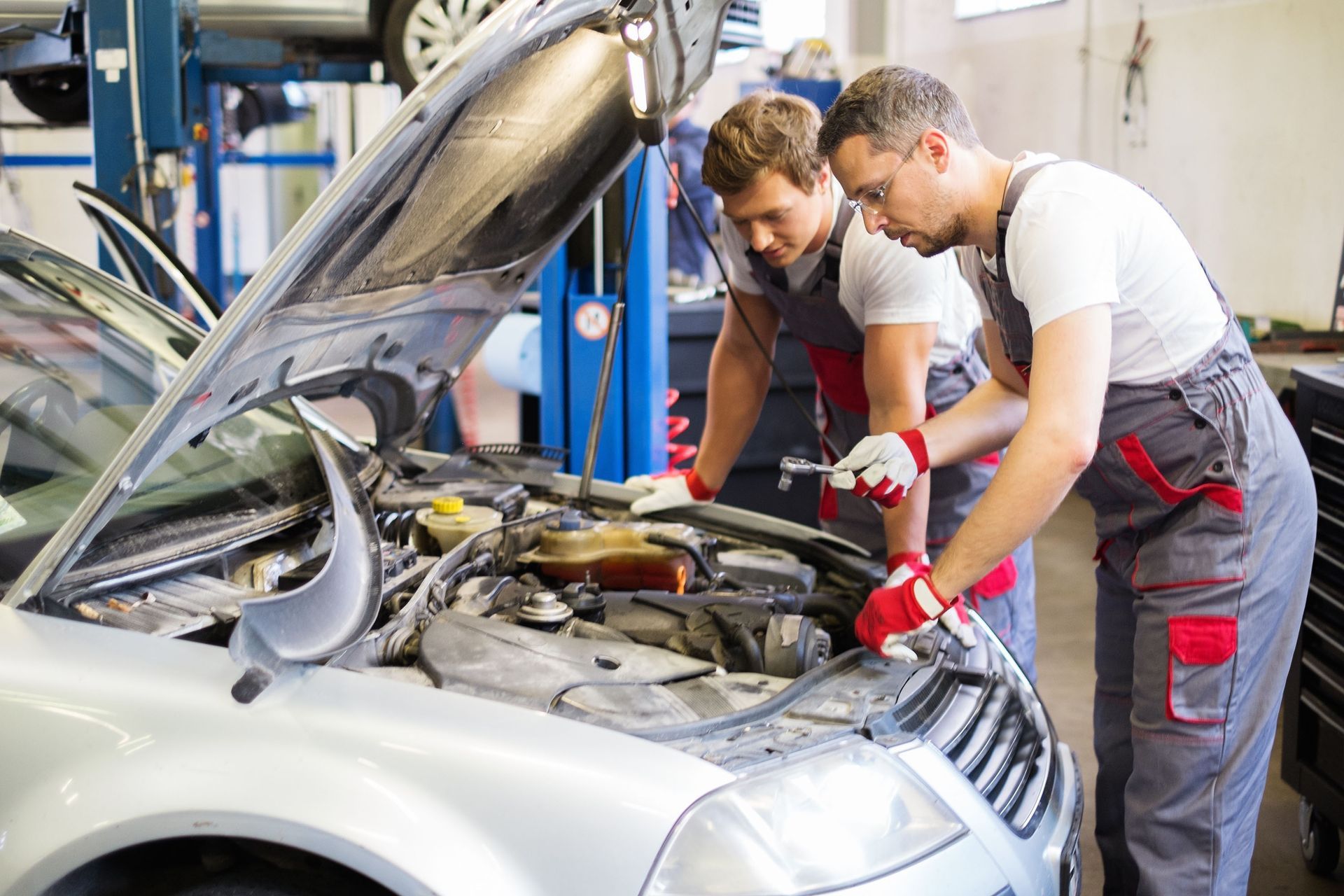
Once repairs are approved, the collision repair service follows a structured process designed to restore safety and performance. Disassembly allows technicians to access damaged components and confirm the full scope of required repairs. Structural repairs are performed with precision to realign frames and restore factory specifications. Proper alignment is essential for handling, tire wear, and crash protection. This stage also ensures that suspension and steering components are positioned correctly, reducing the risk of uneven wear or unpredictable driving behavior. Careful attention during structural repairs helps prevent long-term issues that could otherwise emerge months after the accident.
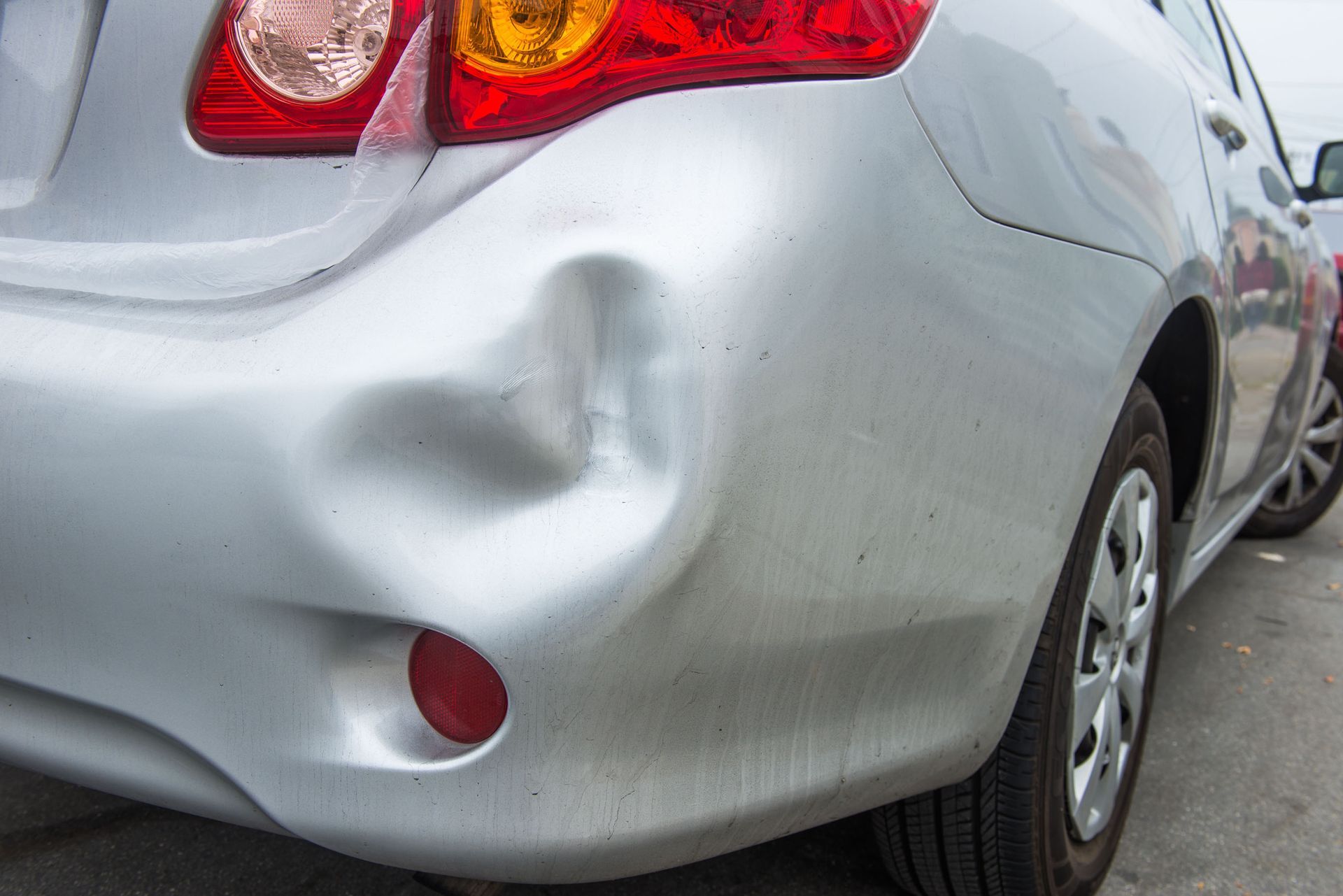
Body repairs focus on restoring exterior components such as doors, fenders, panels, and bumpers. Skilled technicians use specialized tools to repair or replace damaged parts while maintaining proper fit and finish. A professional collision repair service understands that cosmetic quality and structural integrity must work together. When repairs are done correctly, the vehicle not only looks right but also drives safely and predictably. Proper panel alignment also helps preserve aerodynamics and reduces wind noise, contributing to a more comfortable driving experience. Attention to these details ensures the vehicle maintains its original appearance while meeting safety and performance expectations.
Technology and Innovation in Modern Collision Repair Services
Technology has become a cornerstone of the modern collision repair service. Advanced diagnostic scanning tools allow technicians to identify mechanical and electronic issues that may not be visible during a manual inspection. These tools are especially important for vehicles equipped with driver assistance systems, cameras, and sensors that require recalibration after a collision. Accurate diagnostics help prevent future issues and ensure all systems function correctly.
Paint refinishing technology has also evolved significantly. Controlled paint booths provide ideal conditions for applying durable, even coatings that protect against corrosion and environmental damage. Digital color-matching systems ensure repaired areas blend seamlessly with the original finish. In addition, specialized software helps collision repair services manage estimates, workflows, and customer communication more efficiently, improving both accuracy and customer satisfaction.
Post-Repair Inspections, Warranties, and Customer Care
The responsibility of a collision repair service does not end when repairs are completed. Final inspections and road tests are conducted to verify that all systems function properly and that repairs meet safety standards. Technicians carefully review repaired areas and overall vehicle performance to ensure quality workmanship. This step provides peace of mind before the vehicle is returned to the owner. It also allows technicians to confirm that alignment, braking, and electronic systems respond as intended under real driving conditions. Any final adjustments can be made at this stage to ensure the vehicle is truly road-ready and safe to operate.
Cleaning and detailing services further enhance the final result, leaving the vehicle looking professionally restored. Many repair facilities also offer warranties on their workmanship, demonstrating confidence in the quality of their repairs. Maintenance recommendations and follow-up support help vehicle owners protect their investment over time. This ongoing care reflects a commitment to long-term safety, reliability, and customer satisfaction.
A professional collision repair service is essential for restoring vehicles after accidents and ensuring they remain safe, reliable, and visually appealing. From comprehensive inspections and insurance coordination to advanced repair techniques and post-repair support, every stage of the process contributes to the quality of the outcome. Choosing the right collision repair service helps vehicle owners avoid future complications, preserve vehicle value, and drive with confidence. Working with experienced technicians also reduces the likelihood of repeat issues caused by overlooked or improperly repaired damage. High-quality repairs support long-term performance by maintaining proper alignment, safety system functionality, and structural integrity. Vehicle owners benefit not only from immediate results but also from peace of mind knowing their vehicle has been repaired to professional standards. When you want dependable repairs, clear communication, and expert craftsmanship, trust Waters Body Shop to deliver the collision repair service your vehicle deserves.
Share On: